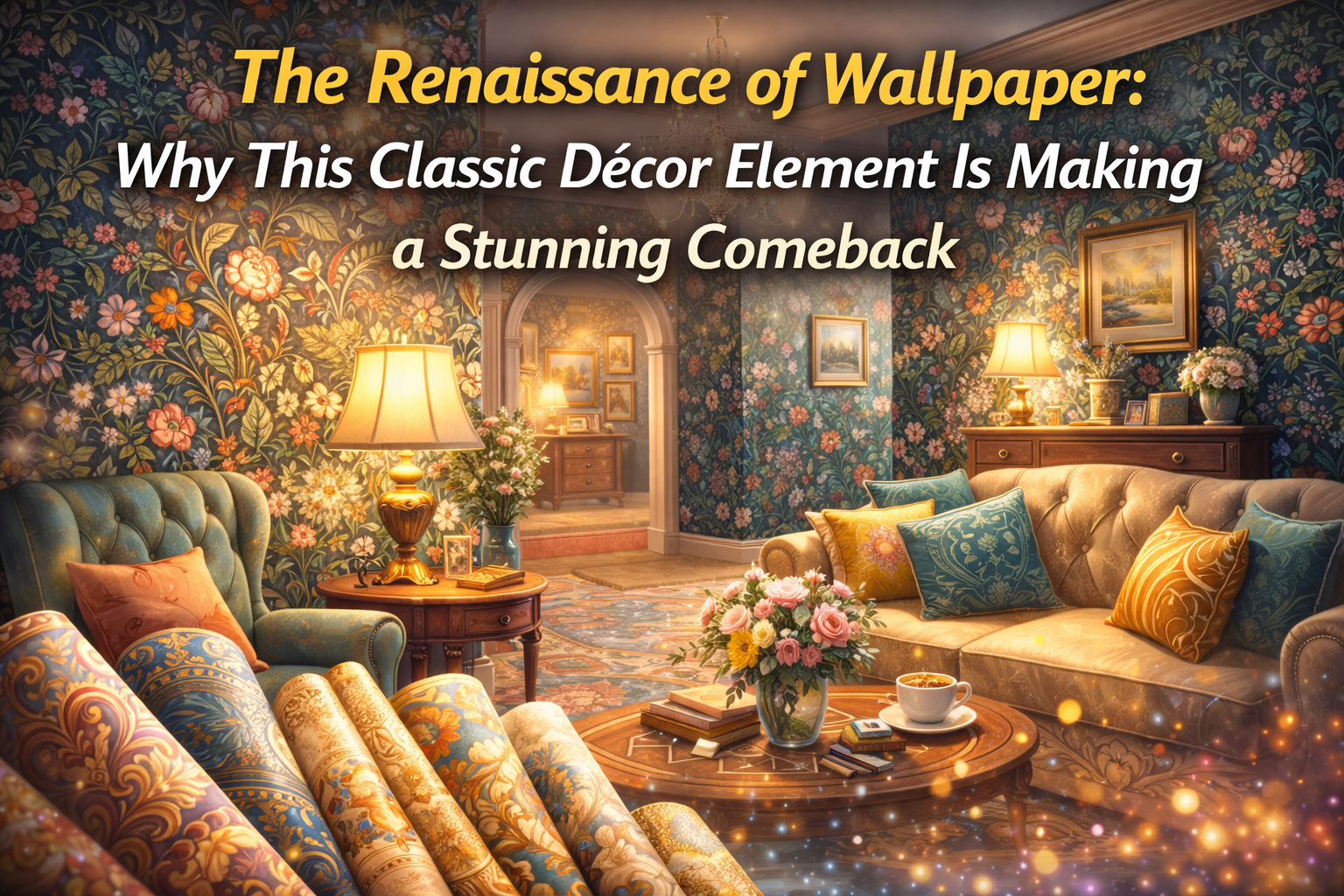
For decades, wallpaper seemed relegated to outdated design history—a relic of floral patterns and difficult removal processes. But walk into any design-forward home today, and you’re likely to encounter wallpaper used in sophisticated, striking ways. From bold geometric patterns to subtle textured neutrals, wallpaper has experienced a remarkable renaissance, offering design possibilities that paint simply cannot match. Understanding the artistry and expertise behind professional wallpaper installation can help you leverage this versatile medium to transform your spaces.
The Evolution of Wallpaper: Not Your Grandmother’s Wall Covering
Modern wallpaper bears little resemblance to the vinyl florals of the 1980s. Today’s options span an incredible range of materials, patterns, and applications:
Material innovations have revolutionized the industry:
- Traditional paper-based wallpapers with rich, painterly designs
- Fabric-backed vinyl for durability in high-traffic areas
- Grasscloth and natural fiber weaves that add organic texture
- Removable peel-and-stick options perfect for renters
- Metallic and foil finishes that create dramatic light effects
- Digital printing technology enabling custom designs and photography
Design possibilities have expanded exponentially:
- Oversized murals that create focal walls
- Subtle textures that add depth without pattern
- Bold geometrics that define contemporary spaces
- Hand-painted styles mimicking fine art
- Trompe-l’oeil effects creating architectural illusions
This versatility makes wallpaper suitable for styles ranging from traditional elegance to cutting-edge modern, and everything between.
Why Choose Wallpaper Over Paint?
While paint remains the most common wall treatment, wallpaper offers distinct advantages:
Visual Impact and Depth
Wallpaper creates dimension that flat paint cannot achieve. Textured wallpapers catch and reflect light in ways that add visual interest throughout the day. Patterns add complexity and personality that transform rooms from simple boxes into designed spaces with character.
Durability and Protection
Quality wallpaper, particularly vinyl-coated options, actually protects walls better than paint. It’s:
- More resistant to scuffs and scratches
- Easier to clean (many can be wiped with damp cloths)
- Better at concealing wall imperfections
- More stable in high-moisture environments when properly selected
Design Cohesion
A single wallpaper pattern can tie together multiple colors and design elements. Where you might struggle to find the perfect paint color, the right wallpaper can incorporate numerous hues that work harmoniously with your furniture, textiles, and accessories.
Uniqueness
In an era of increasingly similar home designs, wallpaper offers distinctiveness. Whether you choose a subtle texture or bold pattern, your walls become conversation pieces that reflect personal style rather than safe neutrality.
The Art of Professional Installation
While peel-and-stick options have made DIY wallpaper more accessible for small projects, professional installation remains crucial for achieving flawless results, especially with traditional wallpapers.
Surface Preparation: The Foundation of Success
Perfect wallpaper installation begins long before the first strip goes up. Walls must be:
Smooth and even: Every bump, divot, or texture will telegraph through wallpaper. Professionals assess walls carefully, applying skim coats where necessary to create perfectly smooth surfaces.
Clean and primed: Wallpaper adhesive only bonds properly to clean, dust-free surfaces. Specialized primers ensure optimal adhesion while making future removal easier.
Properly sized: Traditional installation often involves applying sizing—a preparatory coating that helps wallpaper slide into position during installation and strengthens the bond once dry.
Skipping these preparation steps leads to bubbles, poor adhesion, visible imperfections, and premature failure.
Pattern Matching: Precision and Geometry
One of the most challenging aspects of wallpaper installation is pattern matching. Patterns must align perfectly at every seam, requiring:
Understanding repeat types: Different wallpapers have straight match, drop match, or random match patterns, each requiring different calculation and installation approaches.
Calculating waste: Pattern matching means you can’t simply measure wall square footage. Professionals calculate additional material needed based on pattern repeat lengths.
Strategic placement: Deciding where to start and how to handle corners, doors, and windows affects the entire pattern flow. Poor planning creates awkward partial patterns or mismatches in conspicuous locations.
Precision cutting: Each strip must be cut to exact lengths while considering pattern alignment. Cutting too short ruins expensive material; cutting too long wastes it.
Installation Techniques
The actual hanging process requires practiced skills:
Adhesive application: Different wallpapers require different adhesive types and application methods. Some need paste on the wall (paste-the-wall), others need paste on the backing (paste-the-paper), and some come pre-pasted.
Bubble removal: Air bubbles must be smoothed out immediately using specialized tools and techniques. Once adhesive sets, bubbles become permanent imperfections.
Seam perfection: Seams should be virtually invisible—not overlapped (creating ridges) or gapped (showing wall behind). Achieving this consistently requires experience and skill.
Trimming: Excess material at ceilings, baseboards, and corners must be trimmed precisely without tearing the delicate paper or leaving gaps.
Special Challenges
Certain situations require advanced expertise:
Corners: Inside and outside corners rarely have perfect 90-degree angles. Professionals know techniques to handle irregularities while maintaining pattern alignment.
Windows and doors: Working around openings requires careful measuring, cutting, and pattern consideration.
Electrical outlets and switches: Clean cutouts that align perfectly and maintain pattern flow demand precision and planning.
Ceilings: Installing wallpaper overhead presents physical and technical challenges beyond wall installation.
Staircases: Following angles while maintaining vertical patterns requires specialized techniques.
For homeowners in Southern California looking for expertise in these complex installations, an experienced Wallpaper Installer Irvine brings the precision and artistic sensibility needed to execute flawless results, even in challenging spaces.
Choosing the Right Wallpaper for Your Space
The overwhelming variety of wallpaper options can paralyze decision-making. Consider these factors:
Room Function and Traffic
High-traffic areas (hallways, entryways, family rooms): Choose durable vinyl-coated papers that withstand cleaning and wear.
Low-traffic spaces (bedrooms, formal dining rooms): Delicate paper-based options work beautifully here.
Moisture-prone rooms (bathrooms, laundry rooms): Select moisture-resistant vinyl or specialty papers designed for humid environments. Avoid natural fibers like grasscloth.
Rental properties: Removable wallpapers allow personalization without permanence.
Light and Space Perception
Small rooms: Light colors and small-scale patterns prevent overwhelming limited space. Vertical stripes can increase perceived height.
Large rooms: Bold patterns and dark colors create intimacy in expansive spaces that might otherwise feel cavernous.
Dim rooms: Metallic or light-reflective wallpapers brighten spaces lacking natural light.
Bright rooms: Rich colors and bold patterns work beautifully where ample light prevents them from feeling heavy.
Architectural Considerations
Modern homes: Geometric patterns, grasscloth textures, or subtle tone-on-tone designs complement clean lines.
Traditional homes: Damask, toile, or classic stripe patterns honor architectural heritage.
Transitional spaces: Organic patterns, textured solids, or contemporary florals bridge traditional and modern aesthetics.
Practical Considerations
Budget: Wallpaper costs vary dramatically—from affordable machine-printed papers to luxury hand-painted silk panels costing hundreds per panel.
Longevity: Are you seeking a long-term solution or something you might change in a few years? This affects both material choice and installation method.
Maintenance: Some wallpapers clean easily; others require gentle care. Consider your lifestyle and tolerance for maintenance.
Design Strategies: Where and How to Use Wallpaper
Strategic wallpaper placement maximizes impact:
Accent Walls
The most popular modern approach uses wallpaper on a single wall, creating a focal point without overwhelming the space. Ideal locations include:
- Behind beds in bedrooms
- Behind sofas in living rooms
- In dining room alcoves
- Stairway walls
- Powder room accent walls
Ceiling Applications
Often called the “fifth wall,” ceilings become unexpected design elements with wallpaper. This works particularly well in:
- Dining rooms
- Bedrooms
- Small powder rooms
- Covered porches
Ceiling application requires specific expertise but delivers dramatic results.
Whole-Room Installations
Bold wallpaper in every surface of a smaller room (powder rooms, closets, mudrooms) creates jewel-box effects—intimate, enveloping spaces with strong character.
Unexpected Applications
Creative designers use wallpaper beyond walls:
- Backing bookcases or cabinets
- Covering furniture pieces
- Lining drawers
- Decorating stair risers
- Creating framed art
The Removal Process: Lessons from the Past
Horror stories about impossible wallpaper removal persist because older installation methods made removal genuinely difficult. Modern approaches have changed this:
Proper preparation: When walls are correctly primed before installation, removal becomes straightforward. The primer creates a barrier preventing wallpaper from bonding directly to drywall.
Strippable wallpapers: Many modern wallpapers are designed to peel away cleanly, leaving minimal residue.
Removal techniques: Professional installers know the right tools and methods for different wallpaper types—scoring tools, steamers, and chemical strippers used appropriately.
Wall restoration: After removal, walls often need minimal repair and repriming before painting or new wallpaper.
The key is professional installation from the start. Properly installed wallpaper simplifies future changes rather than creating permanent commitments.
Wallpaper Trends: What’s Shaping Today’s Designs
Current wallpaper trends reflect broader design movements:
Natural materials: Grasscloth, cork, and wood veneer wallpapers bring organic warmth and texture to modern spaces.
Maximalist patterns: After years of minimalism, bold florals, saturated colors, and busy patterns are making statements.
Subtle sophistication: Tone-on-tone patterns and barely-there textures add interest for those avoiding bold pattern.
Vintage revival: Art Deco geometrics, chinoiserie, and Victorian-inspired botanicals reinterpret classic patterns for contemporary spaces.
Customization: Digital printing makes custom wallpaper increasingly accessible—family photos, children’s artwork, or unique designs become wall installations.
Sustainable options: Eco-conscious consumers seek wallpapers made from recycled materials, sustainable fibers, or printed with water-based inks.
Cost Considerations: Understanding the Investment
Wallpaper projects involve several cost components:
Material costs: Range from $1 to over $200 per square foot, depending on quality, design, and exclusivity.
Installation labor: Professional installation typically costs $2-$7 per square foot, varying by paper type and installation complexity.
Preparation work: Wall repair and priming add costs but ensure quality results.
Removal of existing wallpaper: If updating previously wallpapered rooms, removal and wall restoration costs precede new installation.
While wallpaper requires higher upfront investment than paint, its longevity—often lasting 10-15 years or more—makes the per-year cost comparable while delivering superior visual impact.
Maintenance and Longevity
Properly installed wallpaper requires minimal maintenance:
Regular dusting: Gentle dusting or vacuuming with soft brush attachments prevents dirt buildup.
Spot cleaning: Most modern wallpapers tolerate gentle wiping with slightly damp cloths. Check manufacturer recommendations for specific products.
Humidity control: Excessive moisture remains wallpaper’s enemy. Proper ventilation in bathrooms prevents peeling and mold.
Damage repair: Small tears or seam separations can often be repaired rather than requiring complete removal.
Sun protection: Like any material, wallpaper fades with prolonged sun exposure. UV-blocking window treatments protect investment in sunny rooms.
The Psychology of Patterned Walls
Design psychology explains wallpaper’s powerful impact:
Pattern creates energy: Rooms with patterned walls feel more dynamic and engaging than flat-painted spaces.
Personal expression: Wallpaper choices reveal personality in ways neutral paint cannot.
Emotional response: Colors and patterns trigger emotional reactions—calming, energizing, sophisticated, playful—that shape how we experience spaces.
Memory and significance: Distinctive wallpapers create memorable spaces. We remember patterned rooms more vividly than generic ones.
Working with Design Professionals
While homeowners can select wallpaper independently, design professionals offer valuable guidance:
Interior designers help navigate overwhelming options, ensuring selections work with your overall design scheme, furniture, and lifestyle.
Color consultants advise on how wallpaper colors will actually appear in your specific lighting conditions.
Professional installers often have extensive experience with different products and can recommend papers that match your aesthetic goals and practical requirements.
This collaborative approach typically delivers more satisfying results than solo decision-making, especially for first-time wallpaper users.
The Future of Wallpaper
Innovation continues advancing this ancient decorating technique:
Smart wallpapers: Emerging technologies embed heating elements, sound dampening, or even LED capabilities into wall coverings.
Sustainable manufacturing: Advances in eco-friendly production create beautiful wallpapers with minimal environmental impact.
Enhanced durability: New coatings and materials increase longevity and cleanability.
Augmented reality: Apps now let you preview wallpapers in your actual rooms before purchasing, reducing selection uncertainty.
Making Your Decision
Ultimately, choosing wallpaper—and deciding whether to DIY or hire professionals—depends on your specific situation:
Consider professional installation when:
- Using traditional non-peel-and-stick wallpaper
- Installing in high-visibility areas where perfection matters
- Working with expensive or custom materials
- Dealing with architectural challenges like corners, angles, or obstacles
- Hanging large-scale murals requiring precise alignment
- Lacking time, tools, or confidence for flawless execution
DIY might work for:
- Small projects like accent walls in closets
- Removable peel-and-stick applications
- Low-stakes spaces where slight imperfections won’t bother you
- Solid patterns without complex matching requirements
Wallpaper transforms rooms from simple enclosures into designed environments with personality, depth, and visual interest. Whether you embrace bold patterns or subtle textures, this versatile medium offers possibilities that painted walls simply cannot match. With proper material selection and expert installation, wallpaper becomes a lasting investment in your home’s beauty and your daily living experience.