Self-Storage in Saudi Arabia: A 2026 Guide to Business Storage Units
Space is getting expensive across Saudi Arabia. As Riyadh, Jeddah, and Dammam grow, companies are rethinking how they hold inventory, tools, and archives. Self-storage in Saudi Arabia has quietly become one of the smartest ways to free up costly office and workshop space without signing a long commercial lease.
This guide breaks down how modern storage units work for businesses in the Kingdom in 2026. We cover unit types, pricing logic, security, and the practical decisions that separate a tidy operation from a cluttered one. If you run a workshop, retail shop, or facilities team, you will find something you can act on today.
Why Self-Storage in Saudi Arabia Is Growing Fast
The numbers tell the story. Vision 2030 has pushed a wave of new small and medium businesses into the market, and each one needs somewhere to keep stock. According to the General Authority for Statistics (GASTAT), non-oil private sector activity keeps expanding, and that growth creates demand for flexible space.
Commercial rent in prime districts has climbed steadily. Paying that rate to store cardboard boxes or seasonal equipment makes little sense. A dedicated storage unit costs a fraction of retail-facing square meters, so owners move slow-moving items out and keep the shop floor working for revenue.
Flexibility matters too. A business can scale a unit up or down month to month. That agility suits contractors, e-commerce sellers, and event companies whose inventory swings with the season.
Who Uses Business Storage the Most?
- Auto workshops and dealerships holding parts and tyres
- Retailers rotating seasonal stock and promotional displays
- Facilities and cleaning teams managing consumables
- Online sellers running lean fulfilment without a full warehouse
- Offices archiving documents they must keep for compliance
Choosing the Right Type of Storage Unit
Not every item belongs in the same box. The right unit depends on what you store and how sensitive it is to heat, dust, and humidity. Saudi summers are brutal, so climate matters more here than in cooler markets.
Ambient units keep temperatures stable enough for general goods. Refrigerated and frozen units serve food and pharma. Standard dry units suit hardware, packaging, and archives. Picking correctly protects your stock and your budget.
Storing Technical and Mechanical Inventory
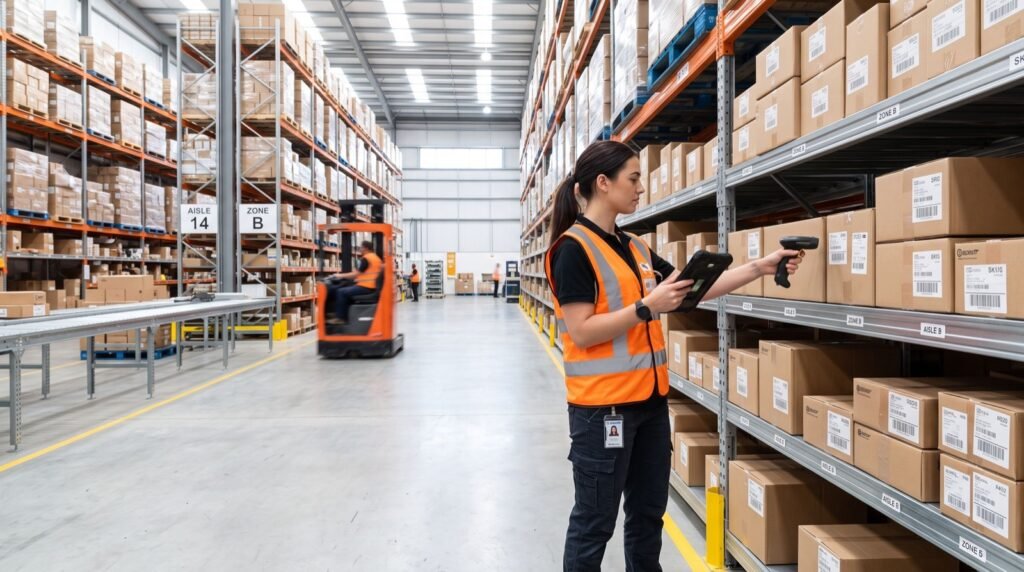
Auto and industrial teams need order more than anything. Small components disappear fast when they sit in loose piles. A shelved, labelled unit turns chaos into a searchable system. Providers who specialise in Storage for Spare Parts offer racking and inventory layouts built for exactly this problem, so a mechanic finds the right bearing in seconds instead of minutes.
Storing Consumables and Facility Goods
Cleaning and maintenance stock has its own rules. Chemicals need ventilation, separation, and clear labelling to stay safe. Dedicated Storage for Cleaning Supplies keeps solvents, detergents, and paper goods organised and away from sensitive inventory. That separation reduces contamination risk and keeps your team compliant with safety guidance.
How Much Does Storage Cost in 2026?
Pricing depends on size, location, and climate control. City-centre units cost more than those on the outskirts. Refrigerated space carries a premium because it runs energy-hungry equipment around the clock. The table below shows typical monthly ranges to help you plan.
| Unit Type | Typical Size | Best For | Relative Cost |
|---|---|---|---|
| Small dry locker | 1–3 m² | Documents, small parts | Low |
| Standard ambient unit | 5–15 m² | General stock, supplies | Medium |
| Large warehouse bay | 25 m²+ | Pallets, bulk inventory | Medium-High |
| Refrigerated / frozen | Varies | Food, pharma, cosmetics | High |
Always ask what the price includes. Some quotes bundle security, insurance, and 24-hour access. Others add these as extras. Read the fine print before you sign.
Freeing Up Costly Commercial Space
The biggest hidden win of self-storage is what it does to your main premises. Every square meter of shop or office you reclaim can earn revenue or improve how your team works. Storage moves the dead weight out.
Think about a retail store crammed with backstock. Those boxes block staff, slow restocking, and make the space feel smaller to customers. Shift them to a nearby unit and the shop floor breathes again.
The same logic applies to offices and workshops. Archived files, spare equipment, and seasonal displays do not need prime real estate. A storage unit holds them safely at a lower cost per square meter, which improves your overall economics.
Run the Numbers Before You Decide
Compare the cost of your commercial rent per square meter against a storage unit. In most Saudi cities in 2026, the gap is wide. Once you see the figure, moving non-essential items off-site becomes an easy financial call.
Security and Access You Should Expect
Good facilities treat security as standard, not a luxury. Before committing, walk the site and check what protects your goods. A cheap unit that leaks or floods will cost far more than it saves.
- CCTV coverage across corridors and entry points
- Individual locks and PIN or card access per unit
- Fire detection and suppression systems
- Pest control and regular cleaning schedules
- Clear insurance terms for stored goods
Access hours matter for operations. A workshop that needs parts at 6 a.m. cannot wait for a 9 a.m. opening. Confirm that your access window fits how your team actually works.
A Practical Tip From the Floor
Photograph your inventory as you load it in, and keep a simple spreadsheet of what sits where. This five-minute habit saves hours later and gives you proof of value if you ever file an insurance claim. Working with established, quality service providers makes this easier, since they often supply their own inventory tools and labelling systems.
Frequently Asked Questions
Is self-storage in Saudi Arabia suitable for small businesses?
Yes. Small businesses benefit most because they avoid long commercial leases. A month-to-month unit lets a startup or shop scale space up or down as demand shifts, keeping fixed costs low during 2026’s competitive market.
What is the difference between ambient and refrigerated storage?
Ambient storage keeps a stable, moderate temperature suitable for general goods, packaging, and hardware. Refrigerated or frozen storage maintains cold conditions for perishable items like food, cosmetics, and pharmaceuticals that would spoil in Saudi heat.
How do I store hazardous cleaning chemicals safely?
Use a ventilated, dedicated unit and keep chemicals separated from other stock. Label every container clearly and follow the supplier’s safety data sheets. Specialist storage providers can advise on compliant layouts for consumables.
Can I access my storage unit at any time?
Many facilities offer 24-hour or extended access, but not all. Confirm the access window before signing, especially if your team needs parts or supplies early in the morning or late at night.
Final Thoughts
Self-storage in Saudi Arabia is no longer just for households moving between homes. In 2026 it is a core tool for lean, ambitious businesses that want to protect margins and stay flexible. Match the unit type to your goods, verify the security, and keep a tidy inventory log.
Do that, and your storage unit becomes an extension of your operation rather than a forgotten cupboard. Start small, review monthly, and scale as your business grows.