Choosing solar products in Pakistan has never been easier on paper, yet it has never been more confusing in practice. Dozens of panel brands, three inverter families and several battery chemistries compete for the same budget. This guide explains what matters for a home in Multan in 2026, and how to avoid the mistakes we see most often.
Multan is one of the sunniest cities in the country. Summer temperatures often pass 45 degrees Celsius, and that heat shapes which products last. We will look at each component, compare real options, and finish with a practical buying checklist you can take to any supplier.
Why Multan Is a Strong Market for Solar Products in Pakistan
South Punjab receives roughly 5 to 6 peak sun hours a day across most of the year. That is excellent for generation. A well-sized system can cover most daytime load, including the air conditioners that drive the monthly bill.
The same climate brings challenges. Dust settles quickly on panels. Heat reduces output and ages batteries faster. Monsoon humidity stresses cheap connectors and enclosures. Good product choices solve these problems before they begin.
Grid tariffs have also climbed since 2023, which keeps payback periods short. Many Multan households now see a return in three to four years for a properly sized system. Net metering rules continue to evolve, so check the latest guidance from the National Electric Power Regulatory Authority before you sign anything.
The Four Core Components
Solar panels
Most 2026 offerings use mono PERC or N-type TOPCon cells. N-type panels lose less power in heat and degrade more slowly. For Multan summers, that temperature behaviour is worth a modest price premium.
Inverters
The inverter converts DC power to AC and manages the grid connection. Hybrid inverters are now the default choice because they handle batteries as well as panels. Look for a wide MPPT voltage window and a solid warranty with local service support.
Batteries
Lithium iron phosphate (LiFePO4) has largely replaced lead-acid for homes that want backup. It lasts longer, tolerates deeper discharge and needs no maintenance. Lead-acid still suits very tight budgets, but it must be replaced far more often.
Mounting and cabling
This is the quiet part nobody photographs. Galvanised or aluminium structures, UV-rated DC cable and proper earthing decide whether the system survives ten summers. Never accept thin cable or painted mild steel to save a few thousand rupees.
Panel, Inverter and Battery Options Compared
| Product type | Typical life | Best for | Watch out for |
|---|---|---|---|
| Mono PERC panel | 25 years | Value-focused homes | Higher heat loss |
| N-type TOPCon panel | 30 years | Hot climates like Multan | Slightly higher price |
| On-grid inverter | 10 years | Net metering, no backup | Stops during outages |
| Hybrid inverter | 10 years | Backup plus net metering | Needs correct battery match |
| LiFePO4 battery | 8 to 12 years | Daily cycling | Upfront cost |
| Lead-acid battery | 2 to 4 years | Short-term budgets | Frequent replacement |
How to Size a System for a Multan Home
Start with your bills, not a salesperson’s brochure. Add up the last twelve months of units and find your summer peak. Then follow a simple process.
- Find average daily consumption in kilowatt-hours.
- Divide by 4.5 to account for real-world losses and get the array size in kW.
- Choose an inverter roughly equal to, or 10 percent above, the array size.
- Size the battery to cover the evening load you actually want backed up.
- Leave roof space and cable routes for a future expansion.
A practical tip from the field: list your loads by hour. Many families discover that running the washing machine and iron at midday cuts battery size by a third.
Indicative Budget Ranges in 2026
Prices move with the dollar and with import duties, so treat these as rough ranges and ask for a written quotation. A 5 kW grid-tied system sits at the lower end. A 10 kW hybrid with lithium storage costs several times more but removes load-shedding worries completely.
- Panels usually make up 35 to 45 percent of the total.
- The inverter is typically 15 to 20 percent.
- Batteries can reach 30 percent or more on backup systems.
- Labour, structure and cabling fill the remainder.
The International Energy Agency’s solar PV overview shows how steeply module prices have fallen globally, which is why local quality, not raw price, should be your main filter.
Where to Compare Genuine Equipment
The easiest way to start is to browse current solar products in Pakistan from a supplier that lists model numbers and warranty terms openly. If a seller cannot tell you the cell type or inverter MPPT range, walk away.
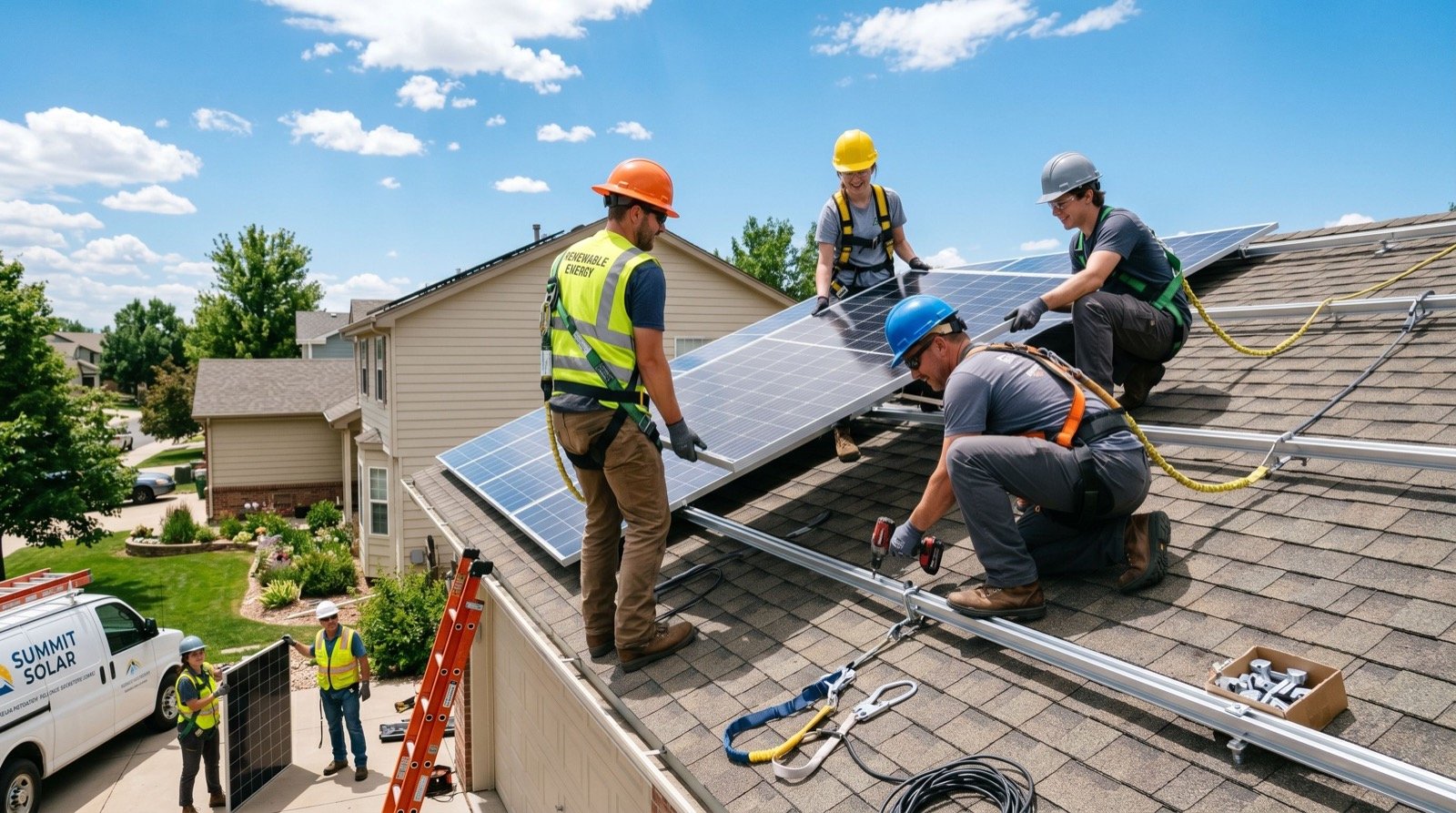
For installation, local knowledge matters as much as the hardware. Roof orientation, shading from neighbouring buildings and dust-cleaning access all vary by street. Families who want help with the whole job can read about solar installation in Multan and what a proper site survey includes.
Solar is also only one purchase among many. When you are comparing any service, it helps to look for dependable specialists who explain their process clearly and show past work.
Frequently Asked Questions
How long do solar products last in Multan’s heat?
Quality panels last 25 years or more with gradual output loss. Inverters usually need attention after 8 to 12 years, and lithium batteries after a similar period. Heat shortens the life of cheap electronics, so ventilation matters.
Should I buy a hybrid or an on-grid inverter?
Choose on-grid if outages are rare and you only want lower bills. Choose hybrid if you need backup or expect to add batteries later. Hybrid costs more now but avoids replacing the inverter later.
How often should panels be cleaned?
In Multan, clean every two to three weeks in dusty months and after any sandstorm. Use water and a soft brush early in the morning, never cold water on hot glass.
Are cheaper imported panels worth the risk?
Rarely. Unbranded panels often miss their rated wattage and carry no real warranty. Ask for flash test reports and a manufacturer-backed guarantee.
Final Thoughts
The best purchase of solar products in Pakistan is a matched system, not a pile of individually cheap parts. Size from your own bills, favour heat-tolerant panels and lithium storage, and insist on written warranties. Do that, and a Multan rooftop will pay you back for decades.